SAFEPLATE™ BY FUNCTION MEDIA LLC · FAMILY FOOD SAFETY CENTER
For parents, caregivers and the people feeding children
Food safety becomes personal at the table.
A recall can begin as a government notice, a supplier record or a school message. For a family, it becomes one question: What do I need to do now? This center is built around that moment human first, evidence underneath, no guessing in between.
The message from school no parent wants to receive.
It can arrive in the middle of a workday: a food item connected to a recall may have reached the school. The first instinct is to jump to the worst conclusion. But a notice is not the same thing as confirmed exposure, and a product that looks similar is not automatically the recalled product.
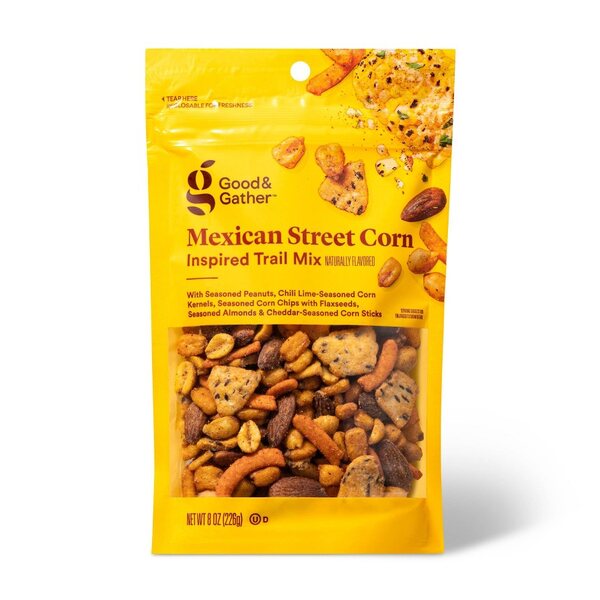
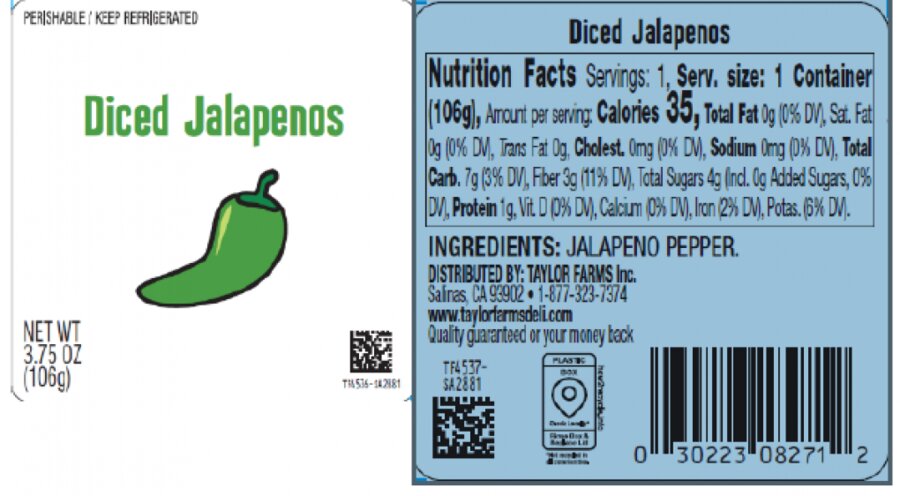
The useful next move is precise: identify the brand, product name, package size, UPC, lot or batch code, date information and when relevant the USDA establishment number. Then compare those identifiers with the original official notice and the school’s dated communication.
Read the original FDA, USDA FSIS, state, district or manufacturer notice.
Match exact product identifiers rather than relying on appearance or category.
Follow official disposal, return or cleaning instructions for a confirmed recalled item.
If the school has not confirmed receipt or service, treat geographic relevance as relevance not proof.
Important: “No local confirmation found” does not prove a food is safe. Public distribution information can change as an investigation develops.
A recall notice should lead to verification, not panic. SAFEPLATE keeps the source and the product identifiers visible.
02 · After possible exposure
My child ate it. Now what?
That sentence carries more fear than almost any recall headline. The first job is not to diagnose from a screen. It is to establish what is actually known: the exact food, the recall or outbreak notice, when it was eaten, and what the official notice tells consumers to do.
If illness or an exposure concern develops, contact a healthcare professional or appropriate public health authority and follow the official recall guidance. Keep packaging, lot information, receipts or photographs when available; those details can matter when officials are trying to understand exposure.
SAFEPLATE’s role: organize the evidence around the food and source notice. It does not diagnose illness or replace a clinician, poison control, emergency services or public health authorities.
When a food concern becomes personal, the difference between a broad alert and an exact product record matters.
03 · Everyday prevention
The lunchbox leaves your kitchen at 7:30. What happens until noon?
A lunch can spend hours moving through a bus, hallway, locker, classroom and cafeteria before anyone opens it. That ordinary stretch of time is part of food safety.
USDA guidance says perishable foods should not stay in the temperature danger zone for more than two hours, or more than one hour above 90°F. Insulated lunch bags and adequate cold sources help foods that require refrigeration stay cold; clean insulated containers can help keep hot foods hot until lunch.
The point is not to turn breakfast into a laboratory. It is to make a few invisible hours visible: temperature, time, separation and clean handling.
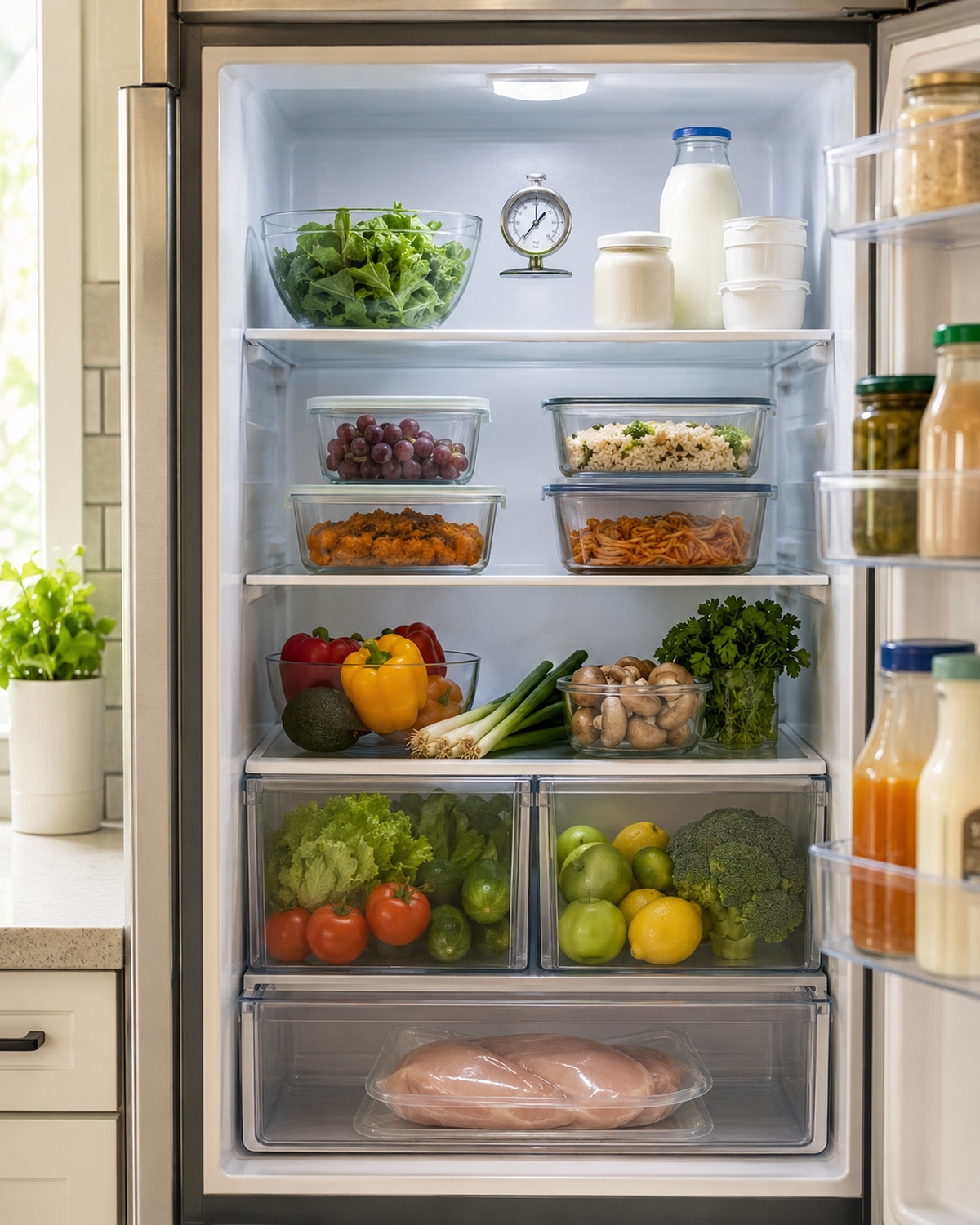
Food safety continues after preparation through storage, transport and the hours before a child eats.
04 · Evidence literacy
When “distributed in your state” sounds scarier than it is.
A statewide or nationwide distribution statement tells you that a product entered some part of a distribution network. It does not establish that every supermarket, district, school or household received it.
Families deserve language that separates possibility from confirmation. SAFEPLATE treats a state level match as a reason to check the exact product not as proof that the food was served to a particular child.
Useful wording: “This notice may be relevant to your area. Check the exact product identifiers.” A school specific claim requires school- or district specific evidence.
Distribution is a path, not a conclusion. SAFEPLATE distinguishes geographic relevance from confirmed receipt.
05 · Allergens and substitutions
The ingredient changed. The allergy didn’t.
A substitution can look harmless to one family and become the most important detail on the menu to another. Federal labeling recognizes nine major food allergens: milk, eggs, fish, Crustacean shellfish, tree nuts, peanuts, wheat, soybeans and sesame.
An undeclared allergen can trigger a recall even when there is no pathogen. Families managing a diagnosed food allergy should keep the school’s emergency plan current and ask how ingredient substitutions, classroom food, field trips, transportation and after school food are handled.
A substitution is new evidence. A replacement brand or recipe should not inherit the safety assumptions of the product it replaced.
The label, recipe and substitute product can matter as much as the meal name printed on a menu.
06 · Behind the serving line
What happens in the cafeteria before your child takes a bite?
The meal on a tray has already passed through receiving, storage, refrigeration or heating, preparation and service. Food safety is the accumulation of those small handoffs.
Schools participating in the National School Lunch or School Breakfast programs generally must obtain at least two food safety inspections each school year, and school food authorities maintain written food safety programs based on HACCP principles. A useful inspection record includes the date, inspecting authority, exact finding, corrective action and follow up not a permanent label that a school is simply “good” or “bad.”
SAFEPLATE’s family view explains the evidence around food; school operations require their own accountable controls and records.
07 · The days after
The recall is over. Is the risk over too?
A headline can disappear before a recalled product disappears from every refrigerator, freezer or pantry. That is why the end of public attention is not the same thing as the end of household action.
Re check the exact identifying information and the latest official instructions. Consider where the product could still be stored, whether it contacted other food or surfaces, and whether an updated notice has expanded or narrowed the affected products. Follow the regulator or manufacturer’s specific disposal and cleaning instructions.
The family question changes from “Was there a recall?” to “Have we actually closed the loop in our home?”
Recall response does not end at the news alert. The household still has to identify, remove and close the loop on the exact product.
08 · Shared care
A grandparent, babysitter or neighbor is feeding your child tonight.
Food safety information often breaks at the handoff between people. A parent may know about an allergy, a recalled pantry item or a school notice, but the person making dinner may not.
Make the critical information portable: exact product or ingredient, what to avoid, what substitute is safe for your household, where emergency information is kept, and who to contact with a question. For a recall, send the official notice or a screenshot of the exact identifiers instead of forwarding a vague social post.
Human systems matter. The safest record is not useful if it never reaches the person opening the refrigerator.
SAFEPLATE is designed around the handoff from evidence to a real person making a decision.
09 · Home preparedness
The power goes out. Which food do you keep?
A power outage turns an invisible food safety control temperature into a household decision. Instead of guessing based on smell or appearance, use current official food safety guidance, keep refrigerator and freezer doors closed as much as possible, and document the duration of an outage when you can.
If you are uncertain whether a perishable food has remained safely cold, check authoritative guidance rather than tasting it to decide. The safest decision can depend on time, temperature and the type of food.
Different circumstance, different question: the same food can require a different decision when storage conditions change.
10 · Why notices change
Why two parents can receive different information about the same food.
One parent sees a manufacturer announcement. Another sees an FDA enforcement record. A district sends a message later. A retailer posts a notice with more specific lot numbers. None of those timelines automatically means someone is hiding information; it can mean the evidence is being assembled and distributed through different systems.
That is why dates and source lineage matter. SAFEPLATE is designed to keep the source, status and scope attached to a record so an update does not silently erase what was known before.
A responsible system should show disagreement and uncertainty when they exist not smooth them into a false sense of certainty.
Source, date, scope and status help explain why food safety information can change over time.
11 · Trust boundary
What SAFEPLATE knows and what it refuses to guess.
A map point can look authoritative even when the underlying record never published an origin coordinate. A state can look like confirmation even when it only appears in a distribution statement. A similar product name can look like a match even when the lot numbers do not agree.
SAFEPLATE’s public standard is deliberately stricter: preserve the official source, distinguish a confirmed match from possible relevance, expose missing evidence, and do not invent a route, school exposure or origin just to make the screen look complete.
KnownSource backed identifiers, dates, hazards and published distribution evidence.
PossibleGeographic or entity relevance that still needs confirmation.
UnknownAnything the available evidence does not establish. Unknown stays unknown.
12 · School response
From SAFEPLATE signal to accountable district action.
SAFEPLATE is the food intelligence layer: source notice, product, manufacturer, lot, allergen or pathogen, dates, distribution evidence and provenance. NORTHLINE is the district operations layer that can privately connect a relevant signal to purchasing, delivery, inventory, menus, staff tasks and family communication.
That separation matters. Public food intelligence should not become a public repository of student health information. Operational and student records require their own role based, purpose limited controls.
For a parent: SAFEPLATE should help answer what happened and what the evidence says. The district remains responsible for confirming what reached its schools and what action it took.
Food intelligence and school operations meet at the handoff but they are not the same system.
Flagship family perspective
The last mile is your kitchen.
The food system does not end at a regulator, manufacturer, distributor, supermarket or school cafeteria. It ends in a refrigerator, pantry, lunchbox and somebody’s hands. The final safety decision is often made by a person who was never part of the investigation. SAFEPLATE exists to make the evidence behind that decision easier to see, understand and verify.